If you were hoping for better news about PC components, you’re out of luck. A new rumor suggests Nvidia may significantly scale back production of its RTX 5000-series gaming GPUs in the first half of 2026.
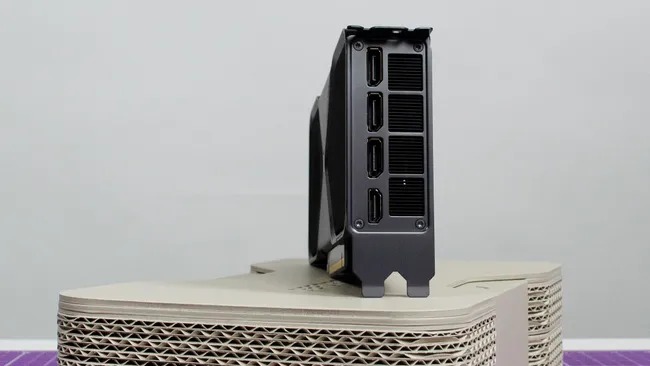
As flagged by OC3D, Chinese tech outlet Benchlife points to a post on the Board Channels forum claiming that Nvidia plans to cut output of its current-generation GeForce graphics cards by 30% to 40% compared with the same period in 2025.
Naturally, this should be taken with a healthy dose of skepticism. Board Channels has a mixed track record when it comes to accuracy, though it has correctly predicted industry moves in the past. Still, nothing here is confirmed.
According to the report, the primary driver behind the alleged production cuts is the ongoing spike in VRAM pricing and the wider memory supply crunch that continues to ripple through the tech industry.
Analysis: is VRAM becoming the bottleneck?
While unverified, the rumor does fit with broader trends. VRAM availability has tightened considerably, and when memory is scarce, Nvidia has every incentive to funnel resources toward AI accelerators rather than gaming GPUs. The margins on AI hardware are vastly higher, making that choice an easy one from a business perspective.
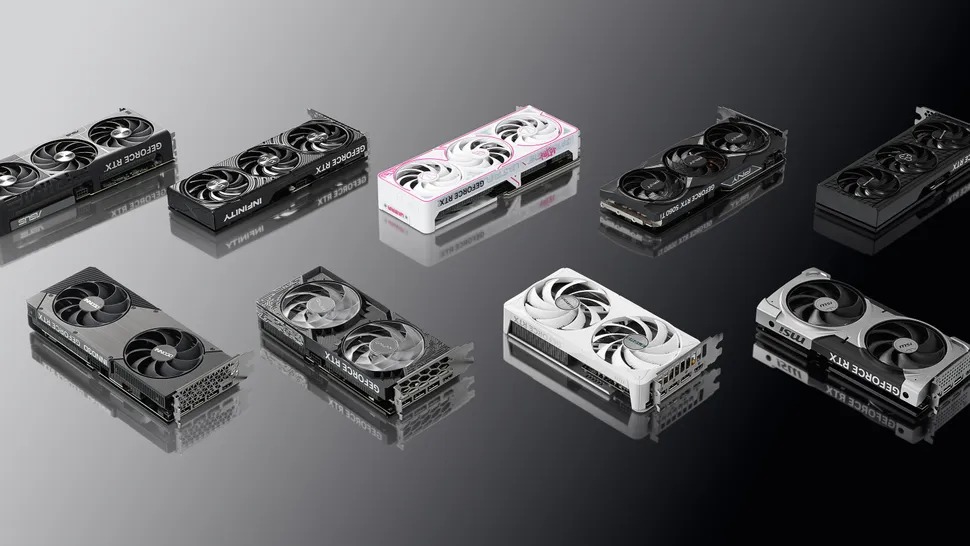
This lines up with earlier speculation that Nvidia could stop bundling VRAM with its GPU chips when supplying board partners, potentially forcing manufacturers to source memory independently. If that happens, smaller graphics card makers could struggle to secure enough VRAM, further reducing the number of RTX 5000 cards reaching store shelves.
There have also been whispers that both Nvidia and AMD are reconsidering parts of their low-to-mid-range lineups — particularly models that use large amounts of VRAM relative to their retail price.
Benchlife adds that its sources include Chinese board partners and others within the GPU supply chain, who claim Nvidia will first rein in shipments of two specific Blackwell-based models: the GeForce RTX 5070 Ti and the RTX 5060 Ti 16GB. The latter, in particular, fits neatly with concerns around VRAM-heavy designs in lower price brackets.
All of this sounds plausible, but it’s still too early to draw firm conclusions. What it does do, however, is further undermine expectations around Nvidia’s rumored RTX 5000 Super refreshes — upgrades that were expected to dramatically increase VRAM capacity. Last month, there was even speculation that these refreshed models could be cancelled outright. The prevailing theory since then has been a delay, but given the current memory situation, that delay could stretch well into late 2026.
For now, the picture remains murky. But if these rumors prove accurate, VRAM shortages may be shaping not just GPU pricing, but the very makeup of Nvidia’s future gaming lineup.