Amazon has introduced a new AI-powered healthcare service in the United States called Health AI. The chatbot is available to Amazon Prime subscribers and is designed to help users understand symptoms, explore treatment options, and connect with healthcare professionals.

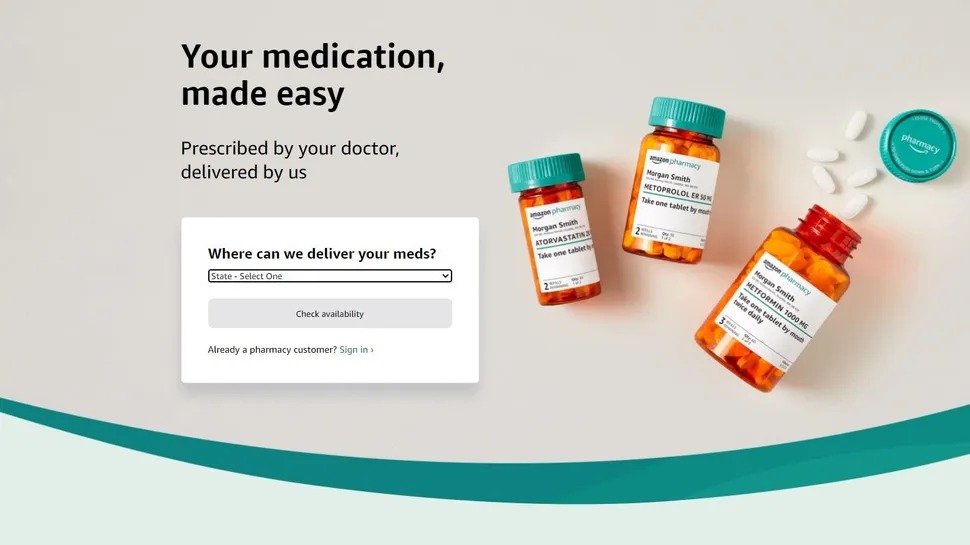
According to Amazon, the chatbot can hold conversations about health concerns, suggest potential treatments, recommend health products, and even link users to doctors. The service can also connect patients to healthcare providers through One Medical, Amazon’s own healthcare network, and recommend medications through Amazon Pharmacy.
At a basic level, the idea of using AI in healthcare is not necessarily a bad one. Hospitals and healthcare systems around the world are struggling with limited resources, outdated infrastructure, and increasing patient demand. In theory, AI tools could help reduce waiting times, lower costs, and provide quicker guidance for patients.
However, the way such technology is implemented matters—and trusting a major tech company like Amazon with deeply personal health data raises concerns.
How Amazon’s Health AI works
Amazon describes Health AI as an “agentic AI health assistant” designed to simplify healthcare. The company says the chatbot can act as a personalized health companion that understands a user’s medical history and provides tailored advice.
With permission, the system can access a user’s medical records and discuss them in conversation. Amazon claims the system operates within a Health Insurance Portability and Accountability Act (HIPAA) compliant environment, meaning protected health information should be handled under strict privacy rules similar to those used in medical institutions.
In theory, this means users’ personal health data is safeguarded and used only for healthcare-related purposes.
Concerns about data and privacy
Despite these assurances, critics argue that using AI in healthcare introduces new risks. The HIPAA Journal has previously warned that AI systems built around protected health information can create complex privacy and compliance challenges.
AI models require large datasets to function effectively. For a health chatbot to provide meaningful advice, it must be trained on vast amounts of medical data. For a company like Amazon—already one of the largest data collectors in the world—that data could become extremely valuable.
Amazon says that medical information from its healthcare services is not used for advertising in the main Amazon store and is not sold to third parties. The company also says it only uses protected health information for purposes allowed under HIPAA.
Even so, potential conflicts of interest remain. The chatbot might identify a health problem and then recommend products available through Amazon’s own pharmacy or direct users toward its own healthcare providers. This combination of diagnosis, recommendation, and sales raises questions about whether the advice is purely medical—or partly commercial.
The limits of anonymized data
Amazon says that any data used to improve its AI models will be anonymized. However, anonymization is not always foolproof.
In the past, companies have been able to reconnect supposedly anonymous data to individual users. For example, Meta was found to have linked users of the Flo period-tracking app to their Facebook accounts using unique identifiers, even after personal details had been removed.
Cases like this suggest that removing names or account details does not necessarily guarantee true privacy.
The problem of accountability
Another concern is enforcement. If a data breach occurs or health data is used improperly, holding a massive tech company accountable can be difficult.
Large companies like Amazon operate global infrastructure used by governments, businesses, and countless online services. Because of their scale and influence, critics argue that regulatory penalties often fail to match the potential risks.
In other words, when companies grow this large, meaningful punishment for misuse of data can become extremely difficult.
The bigger question: trust
Ultimately, the debate around Health AI comes down to trust. Tech companies often present new AI tools as innovations designed to improve people’s lives. But those same companies also rely heavily on collecting and monetizing user data.
For some observers, that conflict makes it difficult to believe that patient welfare will always come before business interests.
Regulators are also paying attention. The state of New York is already considering policies that would restrict AI chatbots from providing legal or medical advice.
As AI continues to expand into sensitive areas like healthcare, the question is not just what the technology can do—but whether the companies behind it can be trusted with the information required to make it work.