Nvidia may be considering a major change to how it supplies components to its third-party graphics card partners — and it’s one that could have serious consequences for the consumer GPU market.
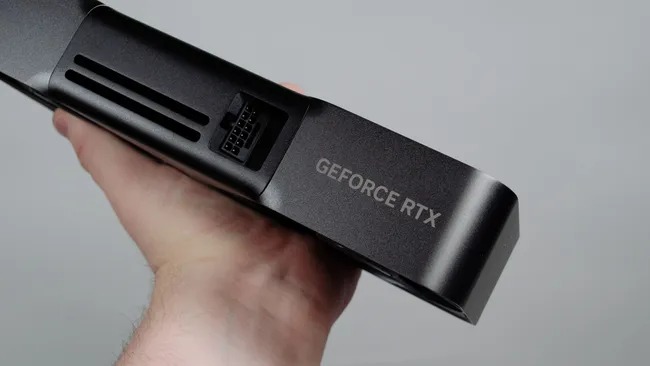
According to a claim spotted by VideoCardz, a well-known GPU leaker on Weibo known as Golden Pig Upgrade says Nvidia is planning to ship only the GPU die itself to board partners, without bundling the required video memory. If true, companies like Asus, Gigabyte, MSI, and others would need to source VRAM independently for every graphics card they manufacture.
At present, the standard industry model is far more streamlined. GPU designers such as Nvidia, AMD, and Intel produce the processor and package it together with the appropriate amount and type of video memory before sending it to their partners. Those partners then handle the remaining components — the PCB, power delivery, cooling, and final assembly.
Under this rumored new approach, that responsibility would shift, forcing board partners to secure compatible VRAM on their own.
As always, this should be treated as speculation. Rumors deserve skepticism. Still, the idea isn’t entirely implausible — and if Nvidia is genuinely considering it, the implications could be severe for certain manufacturers.
Analysis: a risky shift for partners and gamers alike
To understand why this rumor fits the current landscape, it helps to look at what’s happening in the memory market. RAM prices have surged dramatically in recent weeks, climbing at an almost vertical pace. That increase affects not only system memory, but also video memory and even SSDs.
With memory supplies tightening and costs rising, Nvidia may be incentivized to reserve as much VRAM as possible for its AI-focused GPUs — the segment generating enormous profits amid the ongoing AI boom. That boom, in fact, is one of the key drivers behind the current memory shortages.
From a purely business standpoint, prioritizing AI hardware makes sense. But doing so could make it increasingly difficult for Nvidia to continue bundling VRAM with consumer GeForce GPUs in the quantities required by its partners.
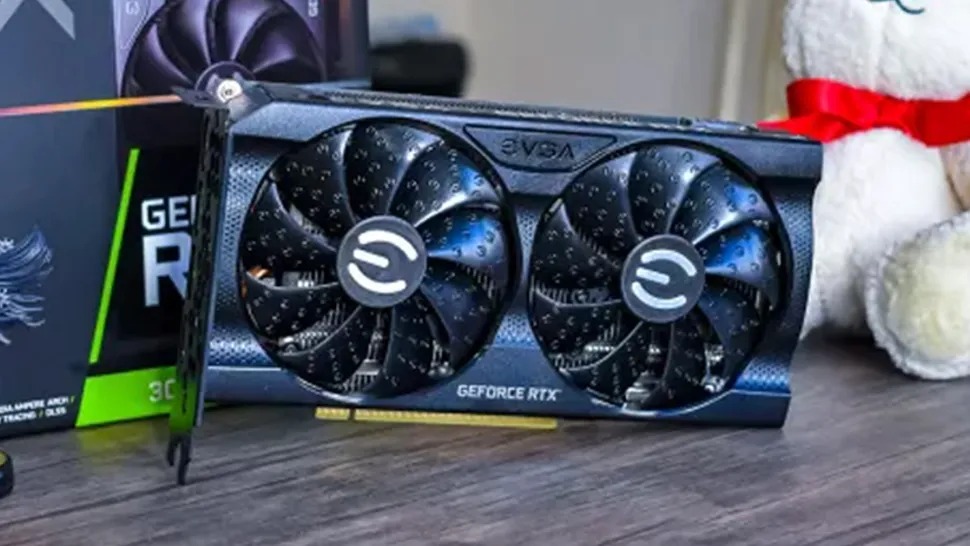
If Nvidia were to abandon bundled memory entirely, the fallout would be uneven. Large manufacturers with strong supplier relationships might still be able to secure VRAM, albeit at higher prices. Smaller board partners, however, could find themselves squeezed out. Without the purchasing power or industry connections to secure sufficient memory supply, some companies may simply be unable to continue producing Nvidia-based graphics cards — a situation reminiscent of EVGA’s high-profile exit from the GeForce ecosystem several years ago.
For gamers, the downstream effects wouldn’t be pleasant. Fewer active board partners could mean fewer Nvidia GPUs on store shelves and less variety overall. Meanwhile, manufacturers that can source their own VRAM would almost certainly pay more for it, lacking the bulk-buying leverage Nvidia enjoys. Those higher production costs would inevitably be passed on to consumers.
And all of this would be happening on top of already rising GPU prices driven by escalating memory costs — increases that analysts expect to continue throughout 2026.
Taken together, the outcome would likely be a market with fewer choices and significantly more expensive graphics cards. That concern is amplified by parallel rumors suggesting AMD is preparing a blanket 10% price increase across its Radeon lineup.
None of this paints a reassuring picture for PC gamers. That said, Nvidia’s alleged plan may never materialize. It could simply be misinformation, early-stage internal discussions, or an idea that ultimately gets shelved.
Still, it adds to a growing pile of signals suggesting that affordable GPUs may become increasingly hard to find. If that happens, current sales events — including Black Friday GPU deals — could end up being some of the last opportunities to buy a graphics card at anything resembling a reasonable price.