How Old Is Too Old? The Oldest Smartphones You Can Still Use in 2026
Not everyone wants the newest smartphone on the market. Maybe you’re trying to save money, you’re attached to a particular design, or you’re looking for a niche feature that modern phones no longer offer. Whatever the reason, choosing an older phone can still make sense in 2026.
That said, going “vintage” with smartphones comes with real challenges. Finding a specific older model — especially brand new — can be difficult, and even when you do, there are important questions around software support, app compatibility, and security.
So with all that in mind, how far back can you realistically go when buying a phone in 2026?
The Oldest Phones You Can Still Buy New
If your goal is a factory-sealed, box-new phone, your options are naturally limited. Most manufacturers stop producing devices just a few years after launch.
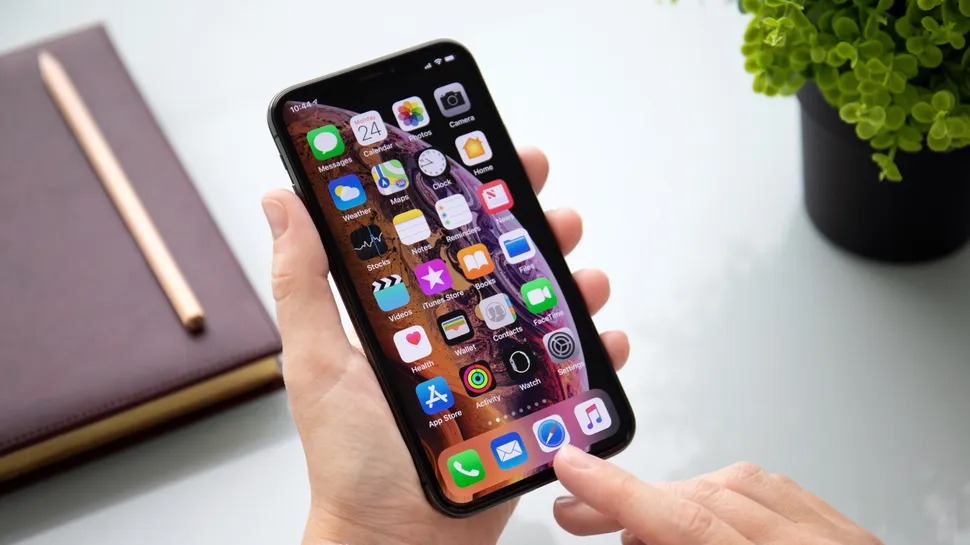
On the Apple side, some carriers in the US still offer new iPhone 13 models on prepaid plans, though unlocked versions are increasingly hard to find. In the UK, retailers such as Laptops Direct still list the iPhone 12 as the oldest iPhone available brand new.
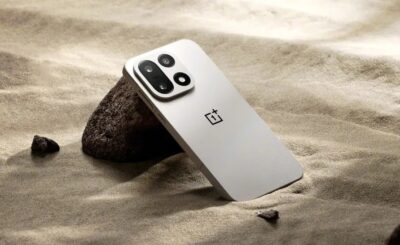
Android buyers have a bit more flexibility. Retailers still stock phones like the Samsung Galaxy S22, Google Pixel 7, and OnePlus 12 series. Availability varies widely by region and manufacturer, but in general, Android phones tend to remain on shelves longer than iPhones.
The Oldest Phones That Are Still Supported
If you’re open to buying used or refurbished, software support becomes the most important factor. Ideally, you want a phone with at least one remaining OS upgrade — but at the very least, it must still receive security patches if you plan to use it online.
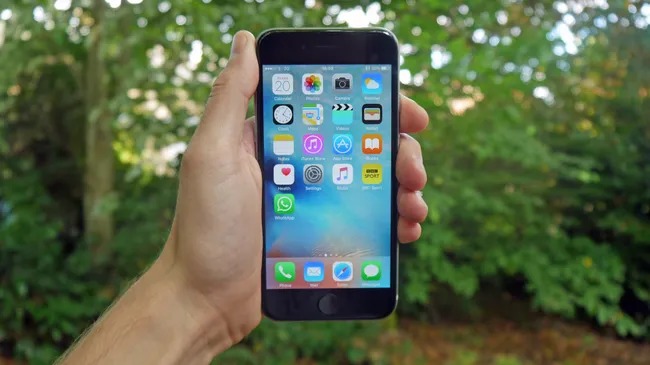
According to Apple’s security update records, the oldest version of iOS to receive a security patch in 2025 was iOS 15.8.5. That means the iPhone 6S, released in 2015, was still receiving security updates last year — an impressive lifespan.
However, users should keep expectations in check. Many modern apps, or newer versions of popular apps, may no longer run properly on such an old version of iOS.
For those who want access to Apple’s latest OS (iOS 26), the oldest compatible device is the iPhone 11, launched in 2019. Even so, the iPhone 11 is likely next in line to lose major update support, so opting for an iPhone 12 or newer is the safer long-term choice.
Android Support: Where Things Stand
On the Android side, Google’s Android Security Bulletin still lists Android 13 as receiving security updates. That means any phone capable of running Android 13 or newer can generally be considered safe for daily use.
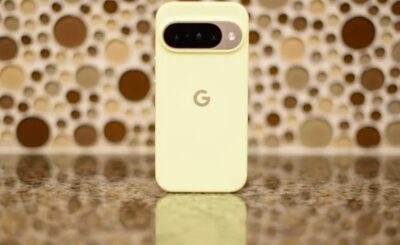
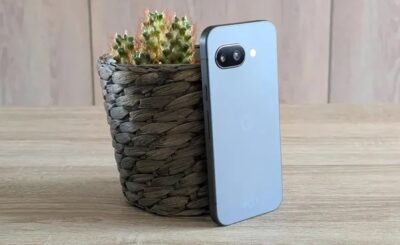
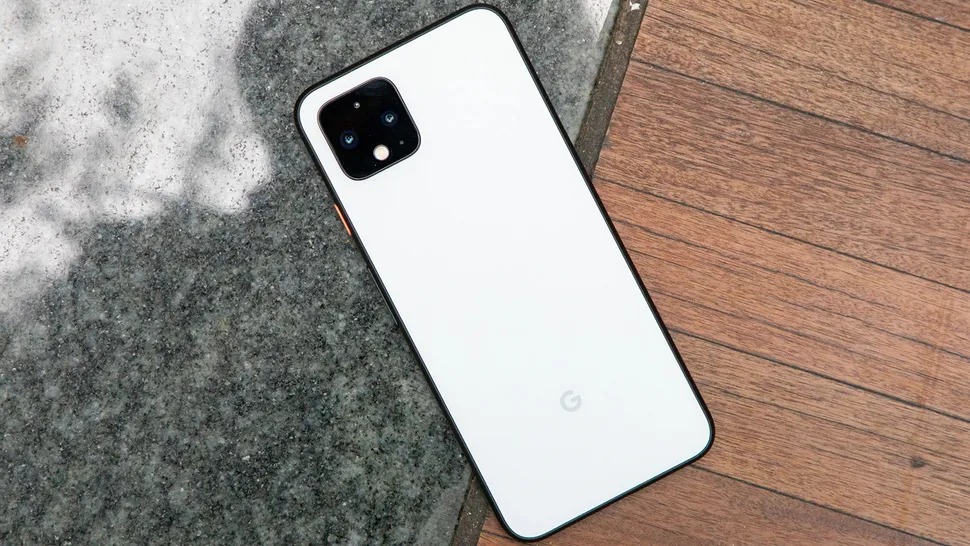
The oldest widely available phone that meets this requirement is the Google Pixel 4, released in October 2019, which received Android 13 as its final major OS update. Other phones in a similar position include the Samsung Galaxy S20 lineup and the OnePlus 9 series.
If you want a phone that can run Android 16, the latest version, your starting point becomes much more recent. Eligible models include the Samsung Galaxy S22 series (and Galaxy S21 FE), the Google Pixel 6 family, and the OnePlus 11 series.
Once again, Google leads on longevity — the Pixel 6 launched in October 2021, beating Samsung and OnePlus devices that arrived in 2022 and 2023 respectively.
Using Truly Old Phones Safely
Classic and discontinued phones still hold appeal. As discussed recently, devices like the iPhone 4 have seen renewed interest thanks to their distinctive cameras and early-2010s aesthetic, making them popular with retro tech fans and collectors.
However, if you plan to use a phone that no longer receives security updates, caution is essential. Such devices should:
- Stay disconnected from Wi-Fi and mobile networks
- Have no SIM card installed
- Never be used to enter personal or sensitive information
- Only transfer files via a wired connection to a trusted device
These steps help reduce the risk of malware, data theft, or unauthorized access.
So, What’s the Oldest Phone You Should Use?
For everyday use in 2026, the absolute oldest “usable” iPhone is probably the iPhone 6S, as long as it continues receiving security patches — though there’s no guarantee how much longer that will last.
Realistically, a better recommendation is a phone that can still run the latest operating system. That makes the iPhone 11 (2019) the practical minimum for Apple users, while Android fans should look no further back than the Google Pixel 6 (2021).
If nostalgia has worn off and you’re ready for something more current, be sure to check out updated guides to the best iPhones, best Android phones, and best smartphones overall — and feel free to share your favorite classic phone along the way.