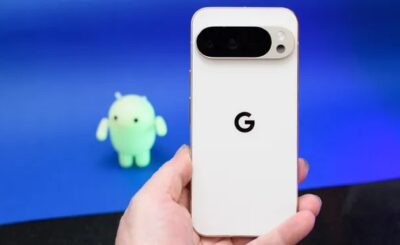
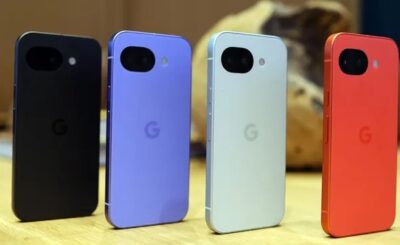
This week, the NexPhone has quietly become one of the most fascinating pieces of tech I’ve seen in a long time. If you missed the announcement, this is a three-in-one smartphone that can run Android, desktop Linux, and Windows 11—and it’s scheduled to ship in Q3 2026. I genuinely didn’t see this one coming.
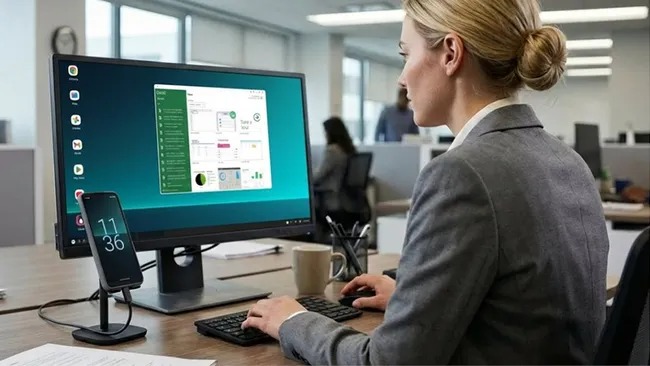
The NexPhone features a 6.6-inch display and, as Nex Computer’s CEO explained in a recent interview, its entire purpose is to blur the line between a smartphone and a PC. The idea is simple but bold: turn your phone into a full computer.
At its core, it’s still a phone—calls, apps, Android and all—but it can also boot into a desktop operating system. That desktop can run directly on the phone’s screen (with interface tweaks to make it usable at that size), or, more realistically, on an external monitor, where Windows or Linux can stretch their legs properly.
This isn’t a brand-new concept, but the execution here is what makes it stand out. You can boot into Android or Debian Linux and still access files stored on the Android side. Alternatively, you can boot directly into Windows 11—and this is important—it’s not a stripped-down or mobile variant. It’s the full desktop OS, albeit without access to Android files.
So why am I so excited about this?
First off, it’s just incredibly cool. The idea that you can carry your Windows 11 environment in your pocket, plug your phone into a monitor, connect a keyboard and mouse, and instantly get to work is genuinely compelling.
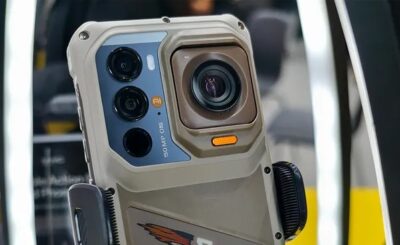
When acting as a Windows PC, the NexPhone can handle Office apps and everyday productivity tasks. Some people have raised concerns about the hardware—after all, it’s using a mid-range ARM processor that’s several years old—but early hands-on videos released this week suggest performance is perfectly acceptable for basic use.
No, you’re not going to be video editing or gaming on it. But for email, web browsing, document work, and light multitasking, it seems to hold up reasonably well. The device includes 12GB of RAM, which certainly helps, and the Qualcomm chip was chosen partly because it comes with long-term support, reportedly up to 10 years, which is reassuring.
Why the price matters
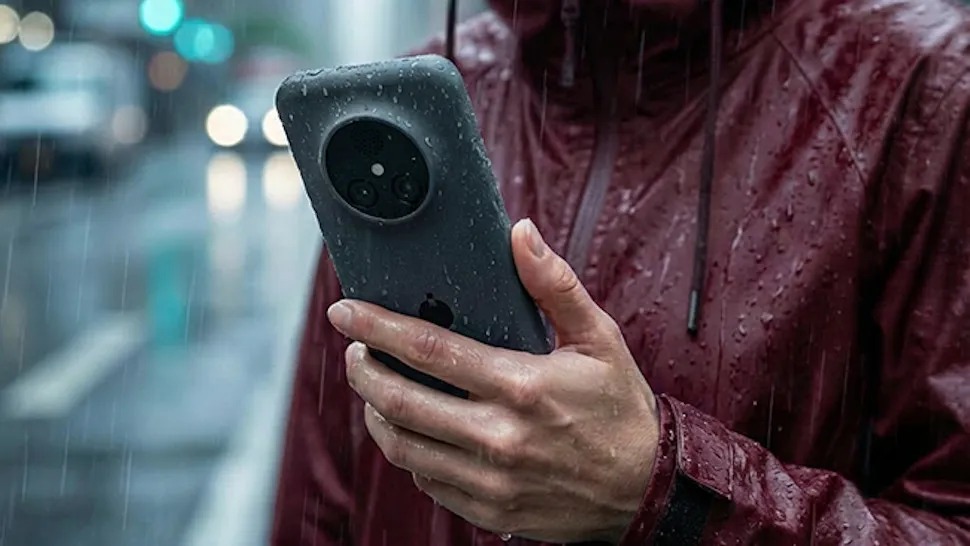
The second reason the NexPhone is so interesting is its potential to save people money. While it’s clearly positioned as a secondary or work-focused device (it’s also ruggedized), I can easily imagine a niche audience for it in 2026—especially among people who simply can’t afford a new PC.
We’re already deep into a RAM crisis, SSD prices are climbing, and PC hardware is only getting more expensive. Many forecasts suggest prices will continue rising before things stabilize. That puts some consumers in a tough spot: their current computer may be on its last legs, but replacing it might be financially out of reach.
For anyone already considering a new, reasonably priced phone, the NexPhone could act as a two-in-one solution. At $549, you’re effectively buying a mid-range smartphone and a Windows or Linux PC. In today’s market, that’s a surprisingly compelling value proposition.
With a portable display and a Bluetooth keyboard, the NexPhone could even function as a pseudo-laptop. One device, multiple roles, and a way to dodge the worst of today’s PC pricing chaos.
Just the beginning
The most exciting thing about the NexPhone isn’t just this single product—it’s what it represents. If this concept proves genuinely useful in the real world, it could open the door for other manufacturers to follow suit.
Even if Windows 11 performance feels a bit rough around the edges—which remains one of the biggest doubts, along with skepticism about having Microsoft’s Copilot baked into a phone—the idea itself is sound. A more powerful future version could easily address those concerns. And if Windows isn’t your thing, there’s always the Linux desktop option.
There’s also a bigger question here: could this push Microsoft itself to explore a premium version of this concept? Maybe. Maybe not. But it’s hard to shake the feeling that the NexPhone is an important step toward a future where mobile and desktop computing finally converge.
Whether it’s this device or the next generation that truly nails the experience, one thing feels clear: this direction isn’t a gimmick—it’s a glimpse of what’s coming next.