Like a DJ closing out a flawless set, the Tesla Optimus robot lifted its hands to its ears and mimed removing an invisible pair of headphones. Seconds later, it collapsed.
The moment, caught on video, was unintentionally revealing. What had looked like a confident humanoid bartender — pouring drinks, chatting with guests, and projecting the future of robotics — suddenly exposed the reality behind many of today’s most advanced humanoid machines: teleoperation. The illusion cracked, and with it came a clearer picture of what robotics in 2026 will actually look like. It’s neither the sci-fi dream nor the dystopian nightmare many were expecting.
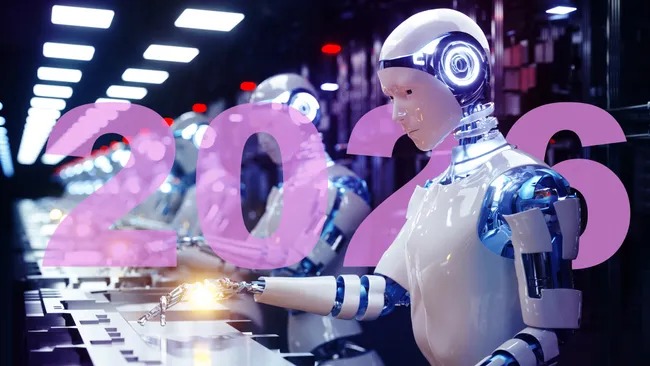
The incident occurred during a Tesla demo where multiple Optimus robots were stationed as interactive bartenders. While they appeared autonomous, most observers suspect they were controlled by remote operators wearing headsets. That suspicion aligns with a growing belief about today’s headline-grabbing humanoids — including Optimus, 1X’s Neo Beta, and Figure AI’s Figure 03 — that much of their most impressive behavior is staged rather than self-directed.
That uneasy realization has been sitting with me as I think about where robotics is heading in 2026. Few tech sectors attract this level of attention while carrying so much unmet promise.
Not quite the year of the humanoid
Despite the hype, 2026 is unlikely to be the breakout year for humanoid robots. They won’t be ready for widespread home use, largely because they still lack the dexterity, reliability, and autonomy needed to compete with basic human capabilities.
That said, expectations may finally be cooling.
“In many ways, 2025 was the year expectations around humanoid robots began to come back down to Earth,” Brian Heater, Managing Editor at the Association for Advancing Automation (A3), told me.
Heater has covered robotics for decades and now works inside the industry, giving him a grounded view of where things are actually heading. According to him, while many companies remain optimistic about the humanoid form factor, discussions have become more pragmatic — focusing on what these machines can realistically do and how long it will take to get there.
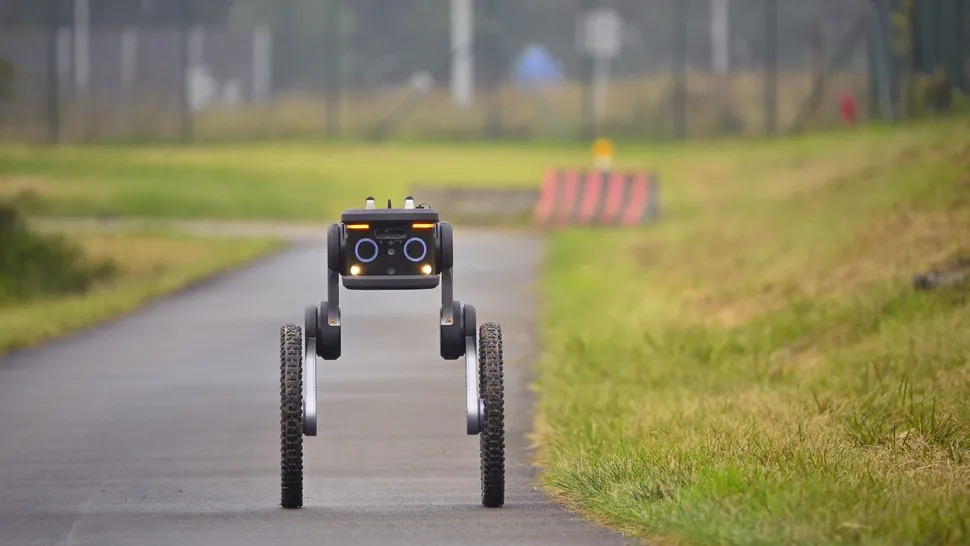
One recurring theme is mobility. Teaching a robot to walk reliably is far more difficult than letting it roll. As Heater and others have noted, some companies may abandon legs entirely, opting instead for wheeled platforms topped with humanoid or dual-arm upper bodies — especially in manufacturing environments where speed and stability matter more than human resemblance.
Humanoids may enter homes in extremely limited numbers, but few consumers will be willing to spend $20,000 or more just to preview a future that still feels unfinished.
The rise of the remote-controlled robot
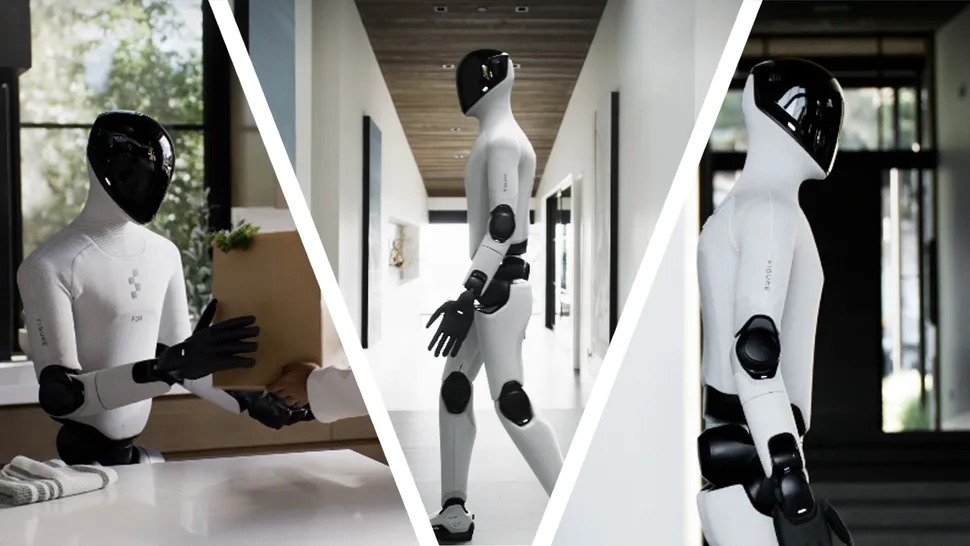
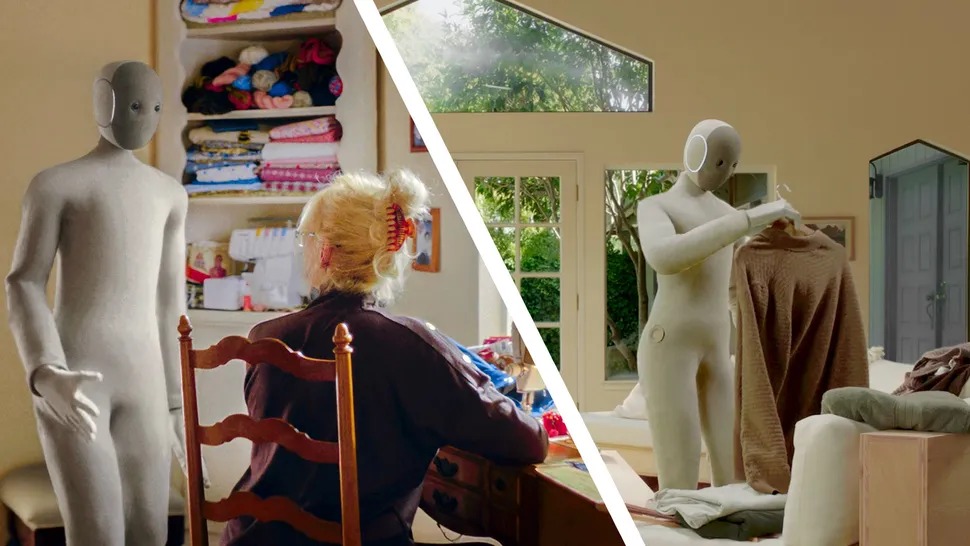
If anything defines 2026, it may be the year teleoperated home robots quietly become the norm. Early reports suggest that the 1X Neo Beta depends heavily on remote human operators. Tesla’s Optimus, which still lacks a clear timeline for consumer deployment, appears to rely on similar behind-the-scenes assistance.
For potential buyers, the question becomes uncomfortable: how appealing is a slow, extremely expensive robot that requires near-constant remote oversight from a third-party company to complete basic tasks?
According to Heater, one of the biggest barriers remains manipulation and dexterity.
“There simply isn’t enough data to train these systems,” he explained, referencing UC Berkeley roboticist Ken Goldberg’s idea of the “100,000-year data gap” — the contrast between the vast historical datasets used to train large language models and the limited real-world physical data available to robots.
The problem with the videos
Heading into 2026, the public has been fed a steady stream of glossy robot videos: machines running, dancing, flipping, and even performing martial arts. These clips have helped inflate expectations far beyond reality.
Heater points to Moravec’s Paradox to explain the disconnect. Tasks humans find trivial — like tying a tie — can be incredibly difficult for robots, while flashy physical feats don’t necessarily translate to practical skills. A robot that can do a backflip still likely can’t fold laundry.
Tesla, Figure AI, and 1X will continue releasing impressive videos and bold claims, but consumer adoption will remain minimal. Those who do buy in may find their humanoid robots quickly relegated to closets, gathering dust as expensive curiosities.
The companies that get it right
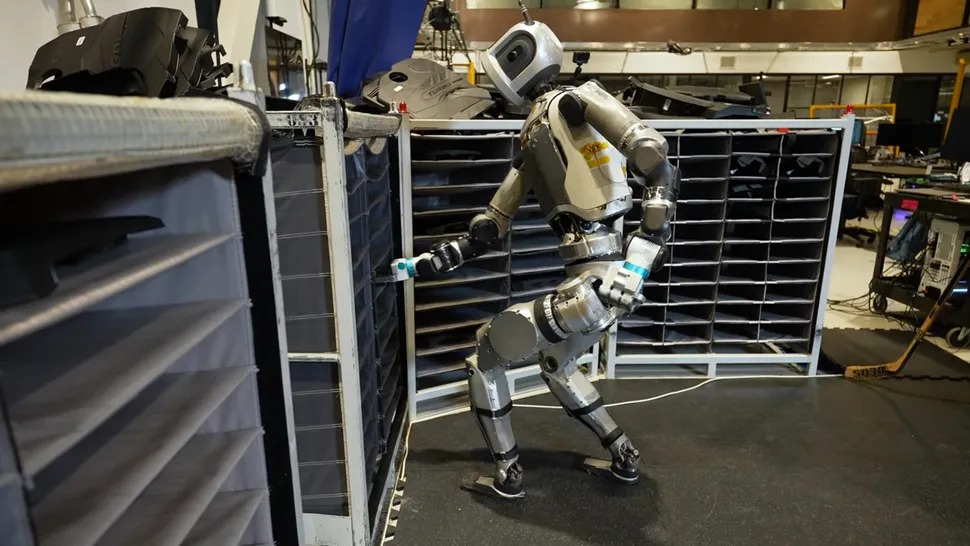
Boston Dynamics stands apart. The company has never seriously pursued consumer sales and has consistently been transparent about its work. Its recent explainer videos — including one detailing how an all-electric robot simply stands up — highlight the immense complexity behind movements humans perform without thought.
In 2026, Boston Dynamics will almost certainly continue to showcase astonishing robotic athleticism. But Atlas will remain a research and industrial platform, not a household appliance. Meanwhile, its Spot robot will see broader deployment in factories and public infrastructure, even as competition from firms like Unitree intensifies.
Manufacturing, in fact, is where robots will make the biggest gains in 2026. Improved safety standards are allowing machines to work alongside humans without cages or barriers. According to Heater, new frameworks are being developed to ensure safe human-robot collaboration in open environments — a shift that could transform industrial robotics.
Smaller robots, real progress
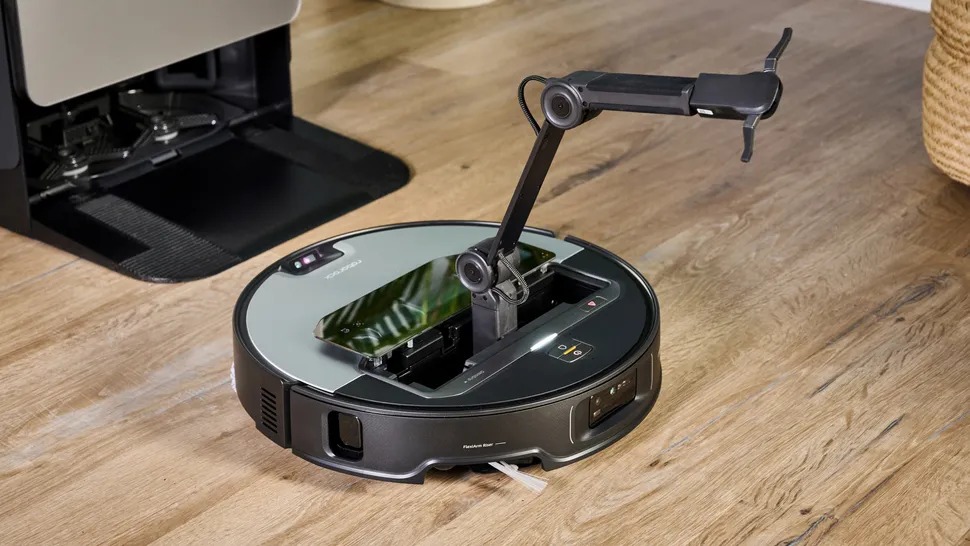
Outside humanoids and factories, 2026 will bring quieter but more meaningful advances. Smaller home, entertainment, and task-specific robots will benefit from AI-powered training methods that allow them to learn faster, adapt to new situations, and operate with greater independence.
Training a robot to do a few things well is far easier than trying to recreate a human body and mind. AI-driven simulation and visualization tools are accelerating that progress.
So no, robots in 2026 won’t be as dramatic or revolutionary as many hoped. But they will lay the groundwork for a far more important decade ahead.
And as for that fallen Tesla Optimus robot? Once its operator put the headset back on, it likely stood up, resumed pouring drinks, made polite conversation — and quietly inspired the next generation of roboticists to do better.