Laptops felt different at CES 2026 — literally. While new processors from Intel, AMD, and Qualcomm got most of the attention, improvements in laptop materials were mostly overlooked. Today, it’s no longer just about plastic versus metal. Laptop makers are now competing based on how a laptop feels when you touch it, using many new metals and alloys.
Laptop body materials have changed a lot. Recently, I wrote that plastic laptops are often underestimated. Modern plastic is not a bad choice anymore. Well-made plastic laptops can feel soft and comfortable, with a rubber-like surface that does not creak like older models did.
As laptops become more similar in performance and specifications, companies need new ways to stand out. Design and physical feel are becoming the next important area where PC makers try to be different.
Different makers, different philosophies
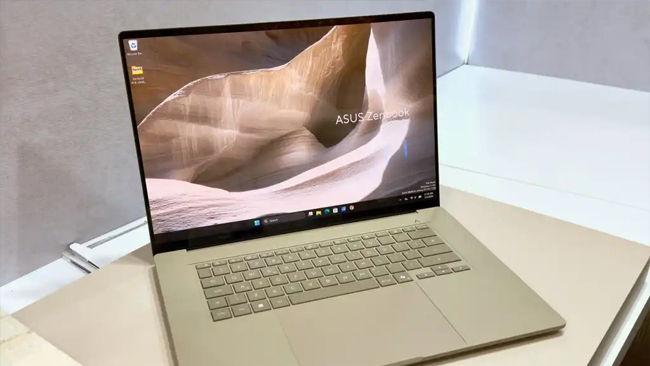
At CES 2026, I touched many Asus laptops made with a new lightweight material called ceraluminum. Models like the Zenbook A14 are not only very light, but Asus also says that ceraluminum is stronger than normal aluminum while being lighter in weight. This material is aluminum with a ceramic coating, which helps make the laptop more durable.
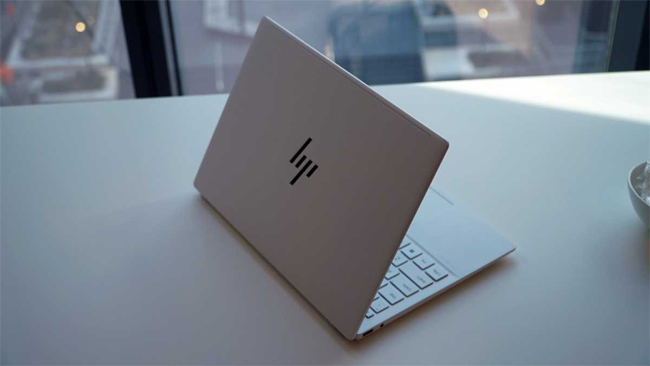
Later, I held the HP OmniBook Ultra 14 while an HP representative explained that it uses forge-stamped metal. This gives the laptop a solid and heavy feel. Many people think thin and light laptops are easy to break, so HP chose this material to make the laptop feel stronger and more reliable—“like a sword,” as they described it.
Although both Asus and HP were showing new laptops with new hardware and different marketing ideas, one thing was clear: they went beyond the usual aluminum laptop design to make their products stand out.
Not all metal laptops are the same
People often think laptops come in only two types: metal and plastic. However, some of the strongest and lightest laptops are made from carbon fiber, such as the Lenovo ThinkPad X1 Carbon.
Even among metal laptops, the materials are not all the same. Many laptops use aluminum, while others use magnesium alloys. Some laptops are made from a mix of magnesium and aluminum.
Aluminum laptops are cheaper to make but heavier. Magnesium alloys are lighter but also more expensive and easier to scratch, and they are not as strong. Because of this, some high-end laptops use magnesium-aluminum alloys, which are lighter than aluminum and stronger than magnesium, but they also cost more.
Asus’ ceraluminum is not pure metal. It is a hybrid material that combines ceramic and aluminum. It is very light and does not feel like metal because your fingers touch the ceramic surface. Asus says this material is stronger than aluminum.
There are also different ways to make a metal laptop body. Most aluminum laptops are made using CNC milling, where a machine carefully cuts the laptop body from a metal sheet. HP uses a different method called forge-stamping. According to HP, the metal is heated, folded, and pressed to make it stronger.
Carbon fiber is still underrated
Carbon fiber is an even better laptop material than metal or metal alloys. It is stronger and lighter, which is why it is used in spacecraft and sports cars. However, carbon fiber is not common in laptops because it is more expensive than metal and plastic.
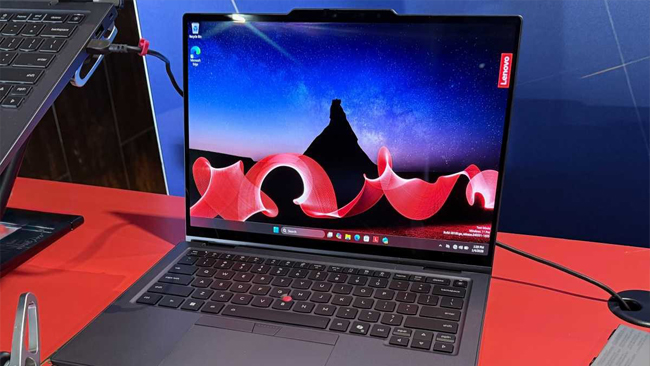
At CES 2026, Lenovo showed the ThinkPad X1 Carbon Gen 14 Aura Edition, which weighs only 2.2 pounds thanks to its carbon-fiber body. The high-end Asus ROG Flow Z13-KJP, created in partnership with Kojima Productions, also includes carbon-fiber parts.
If price did not matter, I would choose a laptop with a carbon-fiber body instead of metal. As a professional laptop reviewer, this is my honest opinion—even though many people still think metal laptops feel more premium. That opinion may change once more people learn about carbon fiber.
Recycled materials are huge once again
When I talk to PC manufacturers, they often like to explain how much of their laptops are made from recycled materials. Many laptops use “ocean-bound plastic,” which is waste plastic that could have ended up in the ocean if it was not recycled. Recycling and eco-friendly design are not only about plastic—they also apply to metal and carbon-fiber laptops.
I looked at Lenovo’s specification sheet for the ThinkPad X1 Carbon Gen 14. In the “Responsible Design” section, Lenovo says the carbon-fiber plate is made from 100% biological materials, and the laptop frame includes recycled carbon fiber.
Other parts of the laptop also use recycled magnesium and aluminum, with clearly listed percentages. Today, laptop makers are competing more and more on how high these recycled-material percentages are and how much of the laptop body uses recycled materials.
Laptop advertisements often highlight the use of recycled materials. This does not change how the laptop feels in your hands, but manufacturers now use the source of their materials as an important part of their marketing and sales strategy.
Don’t underestimate chassis materials when you buy a laptop
I enjoy using many different kinds of laptops. Some of my best memories with computers were on old, noisy plastic laptops. You don’t need an expensive laptop material to be happy, and even a normal plastic laptop in 2026 can feel surprisingly good.
However, the material of a laptop does matter in daily use. Different materials affect the laptop’s weight, strength, and how it feels to touch. For example, a smooth and shiny aluminum laptop feels very different from a matte magnesium laptop, even though both are metal.
So, don’t ignore the laptop’s body material. If your budget allows, it’s a good idea to think about materials when choosing a laptop. Since most laptops now use similar Intel, AMD, or Qualcomm chips, materials are becoming one of the key ways that PC makers stand out from each other.