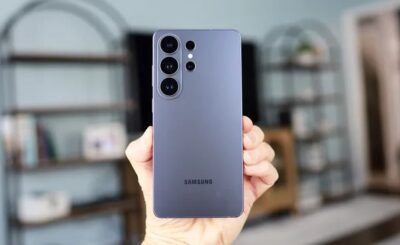
By the end of 2025, Google holds a unique position in the smartphone market. While companies like Apple and Samsung compete to deliver the fastest processors and the most advanced camera hardware, Google focuses more on user experience, practical upgrades, and versatility.
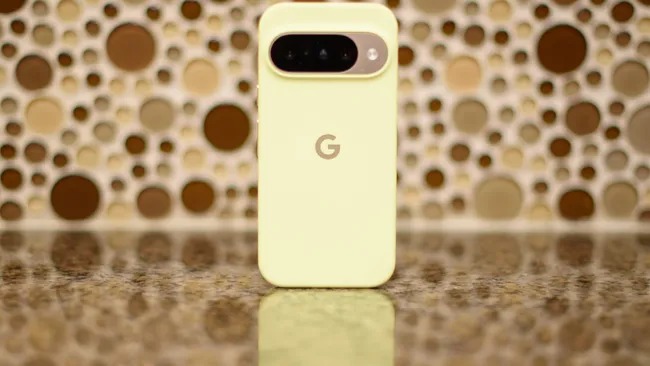
A flagship built around software
The Google Pixel 10 lineup highlights this philosophy. The series includes:
- Google Pixel 10
- Google Pixel 10 Pro
- Google Pixel 10 Pro XL
- Google Pixel 10 Pro Fold
All four devices run a clean, near-stock version of Android packed with AI-powered features. Instead of using the most powerful processors on the market, Pixel phones rely on Google Tensor G5 chips, which typically fall behind Apple A‑series chips and Qualcomm Snapdragon chipsets in raw performance. Because of this, Google emphasizes its software experience to give Pixel devices their value.
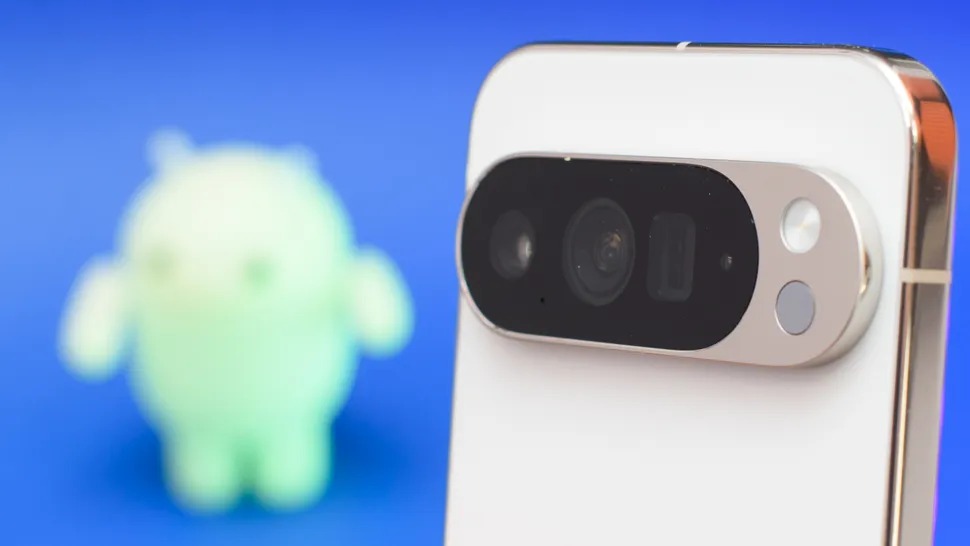
For the most part, this strategy has worked well. The Pixel 10 is widely considered one of the best Android phones available, thanks to its intuitive interface and helpful AI tools. Meanwhile, reviews of the Pixel 10 Pro XL praise its software and AI features for being powerful yet unobtrusive, which has become a defining characteristic of the Pixel brand.
Software differences between Pixel models
However, the experience isn’t exactly the same across the lineup. Some notable software features are only available on the Pro models. For example, the Pixel 10 Pro, Pixel 10 Pro XL, and Pixel 10 Pro Fold include enhanced call screening and call-logging tools that can detect spam and automatically take notes during phone calls.
There are also limitations on the standard Pixel 10’s camera software. Even though it features a 50MP main sensor, users can’t enable 50MP portrait photos or access certain advanced controls such as manual ISO adjustments. These options are reserved for the Pro models.
Hardware isn’t the main limitation
This is somewhat puzzling because all phones in the lineup share the same Tensor G5 chipset. While the Pro models include 16GB of RAM, the standard Pixel 10 still offers 12GB, which should be more than enough to handle those features.
For comparison, Apple Intelligence can run call summaries and AI tools on iPhones with as little as 8GB of RAM, suggesting that Google could technically offer similar functionality on the base Pixel model if it wanted to.
A simpler strategy for future Pixels
To make its product strategy clearer, Google could adopt a simpler approach:
offer the same software experience across all Pixel models and differentiate them mainly through hardware.
That’s how many other flagship lineups work. For example:
- The iPhone 17 and iPhone 17 Pro share the same software features, but the Pro model offers better cameras and materials.
- Similarly, the Samsung Galaxy S25 and Samsung Galaxy S25 Ultra differ mainly in hardware.
Hardware differences are easier for consumers to understand. Paying more for features like a telephoto camera, better display technology, or premium materials feels more logical than paying extra for software options that could technically run on the base model.
Pixel already has hardware advantages for Pro models
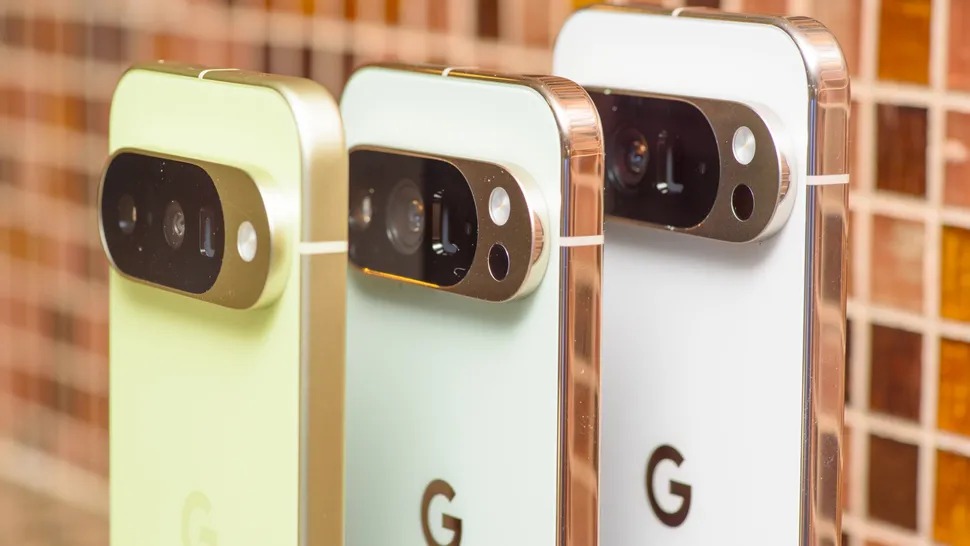
The Pro versions of the Pixel already justify their higher prices with features such as:
- A more advanced multi-camera system
- An LTPO display with variable refresh rates
- A more premium design with polished aluminum rails
If RAM is truly the limiting factor, Google could simply increase the base Pixel’s memory to 16GB. That would also reassure users concerned about the Tensor chip’s performance compared with competing flagship processors.
Looking ahead
Because Google’s biggest strength lies in software, restricting software features across the lineup can feel unnecessary and confusing. A more unified software experience would better match the company’s philosophy.
Hopefully, the upcoming Google Pixel 11 series will simplify things and deliver the same powerful software experience across all models while letting hardware define the differences between them.