There’s no denying that today’s smart glasses are more capable than ever—but they still haven’t truly broken into the mainstream. Meta CEO Mark Zuckerberg, however, remains convinced that widespread adoption is inevitable, even as his metaverse-focused division posted a $6 billion loss in the most recent financial quarter.
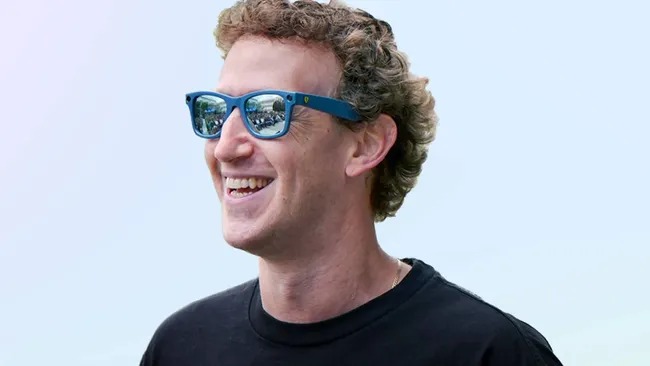
Speaking during Meta’s latest earnings call (via TechCrunch), Zuckerberg said it’s “hard to imagine a world in several years where most glasses that people wear aren’t AI glasses.” He likened the shift he expects to see to the transition from flip phones to smartphones—a change that initially seemed niche before becoming universal.
Zuckerberg also pointed out that billions of people worldwide already wear glasses or contact lenses, representing a massive potential market. According to Meta, sales of its smart glasses—including the Ray-Ban Meta Gen 2—have tripled over the past year, suggesting momentum is beginning to build.
Meta isn’t alone in betting big on the category. Google and Samsung both have smart glasses in development, with Samsung confirming that its long-rumored AR glasses will launch later this year. Apple is widely rumored to be working on its own take, while Snap recently announced a new subsidiary called Specs, dedicated entirely to developing future smart glasses hardware.
Meanwhile, the metaverse struggles on
Zuckerberg will be hoping smart glasses deliver better results than Meta’s metaverse ambitions so far. According to CNBC, Meta Reality Labs recorded a $6 billion loss in Q4 2025, up from $4.43 billion the previous quarter, continuing a worrying financial trend.

The metaverse—once pitched as a fully immersive digital world we’d all inhabit by now—was a key reason behind Facebook’s rebrand to Meta. While virtual reality gaming has found a dedicated audience, most users have shown little appetite for spending large portions of their daily lives as digital avatars.
Meta isn’t abandoning the concept entirely. There have been indications that Horizon, Meta’s official metaverse platform, could evolve into something closer to a Roblox-style experience, with a stronger emphasis on mobile access rather than full VR immersion.
For now, though, Reality Labs’ losses continue to mount. In contrast, the outlook for smart glasses appears more promising, particularly as AI assistants become more powerful and better suited to lightweight, always-on wearable devices. If any product can finally bring Meta’s long-term vision into everyday life, it may not be the metaverse—but the glasses on our faces.