Apple Pushes a Surprise Software Update to iPhones More Than a Decade Old
Apple has long been known for supporting its iPhones with software updates far longer than most of the industry, and in recent years several Android manufacturers have stepped up their game as well. Still, Apple’s latest update is likely to surprise even longtime followers of the company.
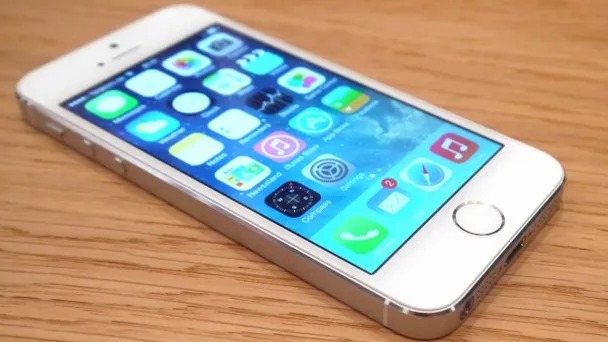
This time, it’s not about iOS 26.2.1 or the newly released iOS 26.3 beta. Instead, Apple has quietly rolled out iOS 12.5.8 — a software update for devices many people assumed had been abandoned years ago.
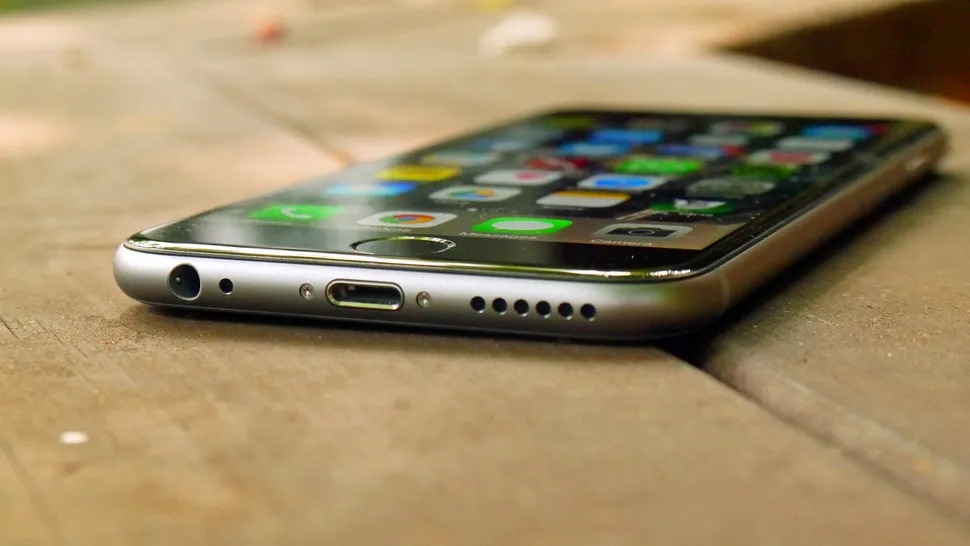
The update is now available for the iPhone 5S and iPhone 6, which launched in September 2013 and September 2014. That means the iPhone 5S is now more than 12 years old, making this one of the longest-supported smartphones ever. It goes far beyond Apple’s usual six or so years of updates — and well past the four to seven years most modern Android phones receive.
No New Features, but Continued Core Support
Unsurprisingly, this update doesn’t bring any new features. There’s no Apple Intelligence, no modern iOS enhancements, and none of the visual or functional changes found in recent versions of the operating system. After all, this is still iOS 12.
What iOS 12.5.8 does deliver, however, is important: it extends the security certificates required for FaceTime, iMessage, and device activation, ensuring these services will continue working beyond January 2027.
In practical terms, that means users will still be able to make FaceTime calls, send iMessages, and activate these devices well into next year — and beyond.
Not Ideal for Daily Use, but Still Welcome
Apple isn’t suggesting that the iPhone 5S or iPhone 6 should remain anyone’s primary phone today. Most third-party apps no longer support these models, and even with this update, they won’t match the security standards of Apple’s actively supported devices.
Still, the update is a welcome gesture. It gives users who can’t afford a newer phone, or those keeping an old iPhone as a backup, a bit more peace of mind. It also helps extend the lifespan of aging hardware, which can play a small but meaningful role in reducing electronic waste.
Even more than a decade later, Apple is still finding ways to keep its oldest iPhones alive — and that’s something few companies can match.