The PC hardware market is currently in upheaval as the ongoing RAM shortage continues to drive prices sharply upward. While Apple doesn’t appear to have been hit directly—at least not yet—some customers ordering new MacBooks are still running into delays, though for reasons that likely go beyond memory supply issues.
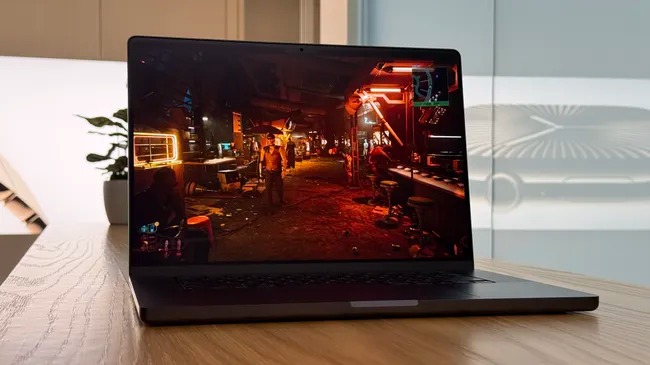
According to MacRumors, deliveries of MacBook Pro models powered by the M4 Max chip are being pushed back by as much as two months, particularly in the US. Configurations with 36GB of memory or more are now showing estimated delivery dates stretching into early February, while the 128GB RAM option is facing the longest wait times, with shipments slipping into March.
At first glance, it might be tempting to link these delays to the global RAM crunch. However, a more plausible explanation is Apple’s shifting focus toward its next-generation M5 Pro and M5 Max chips, along with the MacBook Pros that will use them. Apple may be intentionally slowing—or even stopping—production of M4-based models to clear existing inventory ahead of the new releases.
Bloomberg’s Mark Gurman has previously suggested that the M5 Pro and M5 Max chips are scheduled to debut in the first half of the year, which would help explain why delivery timelines for M4 Max MacBook Pros are now slipping.
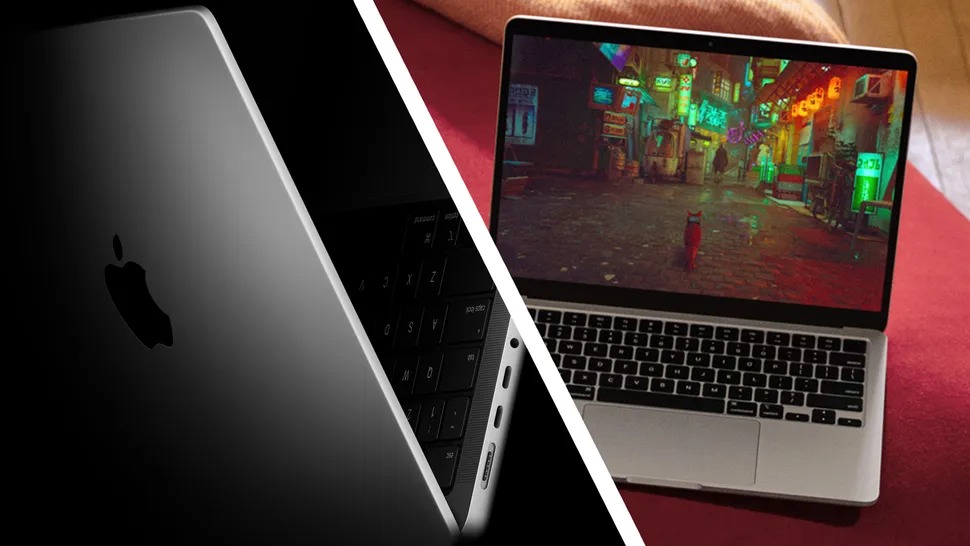
That said, Apple isn’t completely insulated from the effects of rising component costs. Still, the company is widely expected to absorb higher DRAM prices through 2026 rather than passing them on to customers, a strategy that would ideally extend to the upcoming M5 Pro and M5 Max MacBook Pro lineup.
Another advantage Apple has is its use of unified memory, which is integrated directly with the CPU and GPU. While this doesn’t make Apple immune to market volatility, it does place the company in a stronger position than many PC manufacturers who are being forced to cut corners or delay products due to component shortages.
Analysis: Apple may weather the storm, but the wider PC market is struggling
All signs suggest that the RAM shortage could persist well into 2026, largely driven by the relentless push toward AI development. It’s reassuring that Apple seems relatively well-positioned for now—especially considering how expensive MacBook Pros already are—but the broader PC hardware industry is clearly under strain.
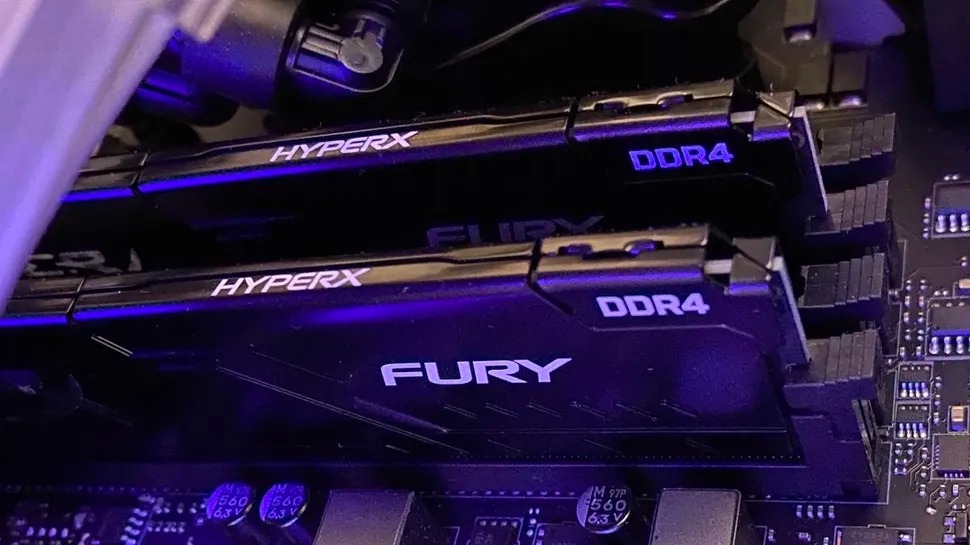
Nvidia, for example, hasn’t completely turned its back on gamers, as shown by continued support like the recent DLSS 4.5 release. Even so, the company’s strategic shift toward AI is hard to ignore, and similar trends are emerging across third-party manufacturers.
GPUs are only part of the story. Micron’s decision to shut down its Crucial brand to focus more heavily on supplying memory to AI-focused clients is another clear signal of how dominant the AI boom has become. While this doesn’t necessarily mean Crucial-branded RAM is gone for good, it highlights how far manufacturers are willing to pivot in pursuit of AI-driven profits.
The longer this crisis drags on, the greater the risk of widespread knock-on effects—and that’s bad news for consumers across the board.