For a long time, tech events focused on size. Bigger crowds were seen as more successful. The number of attendees became a way to measure impact, so events kept growing every year because that was what the industry expected.
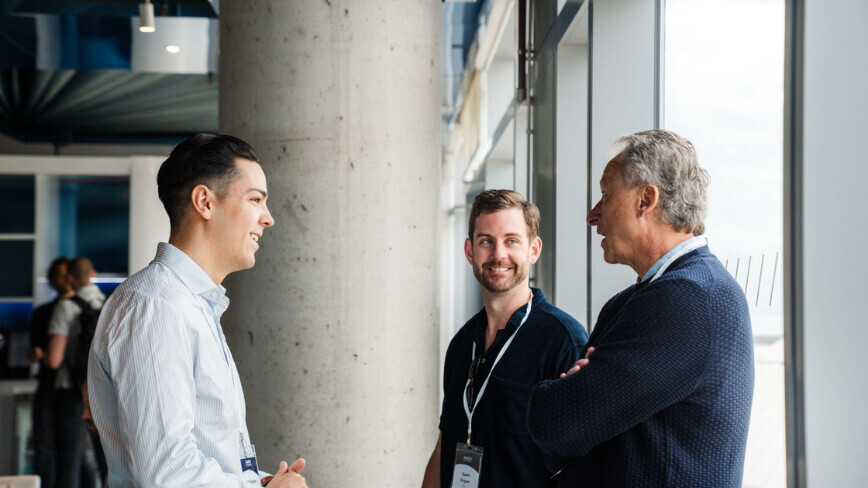
Today, this model no longer fits how tech leaders work.
In recent years, I have spoken with many founders, executives, and operators who have real responsibility in their companies. Before they decide to attend an event, they ask very practical questions. They want to know who will be there, how conversations are organized, and whether people can speak honestly.
Almost none of them ask how many people will attend.
This is important. Leaders who run companies do not need more visibility. They already have it. What they want are environments where their time leads to real insight, clear thinking, and decisions.
As the CEO of Tekpon AI Summit, I see this clearly. I have watched what happens on large stages, and I have also seen what happens when ten relevant people sit around one table with no audience and no pressure to perform.
The results are very different. In small groups, people speak openly. They share real problems they would never post online. They explore partnerships naturally. Decisions happen faster because trust builds quickly when everyone belongs in the room.
In large events, conversations are more careful. Stories are polished. Real questions are often saved for “later.” And later usually never happens.
Big conferences still have value. They introduce new voices, create energy, and give exposure to early-stage founders. That role is still important.
But they are no longer where serious business decisions are made.
The work that truly shapes companies happens in places where attention is protected and trust forms quickly. Where people don’t need to perform. Where context is shared. Where everyone knows that what is said in the room stays in the room. These conditions are hard to create at large scale, but they happen naturally in small, carefully chosen settings.
Because of this, many senior leaders are changing how they spend their time. They attend fewer large events and choose private discussions, small dinners, and curated gatherings where every person has a clear reason to be there. They are not rejecting conferences completely—they are rejecting formats that do not respect their time.
The industry has been slow to react. Many events still focus on growing attendance, sponsorships, and social media reach. Meanwhile, the people building companies are quietly changing their behavior. They are voting with their calendars.
This gap will keep growing. Events focused only on size will find it harder to attract senior leaders. Once you notice this shift, it is hard to ignore. The way people choose where to meet has changed—not loudly, not publicly, but consistently.
Some will continue to chase scale, and large festivals will still exist. That is fine. But the people shaping companies are already choosing differently. They are choosing rooms where conversations move faster, trust forms naturally, and time feels respected.
That is where tech leaders choose to meet today.