There’s yet more bad news on the cost of RAM, with Samsung now rumored to be significantly raising the price of DDR5 memory — while DDR4 prices continue to climb as well.
Notebookcheck.net reports that well-known leaker Jukan shared an article from Taiwanese tech outlet Technowvoice, which claims Samsung has sharply increased the contract prices of the DDR5 chips it supplies to memory module manufacturers.
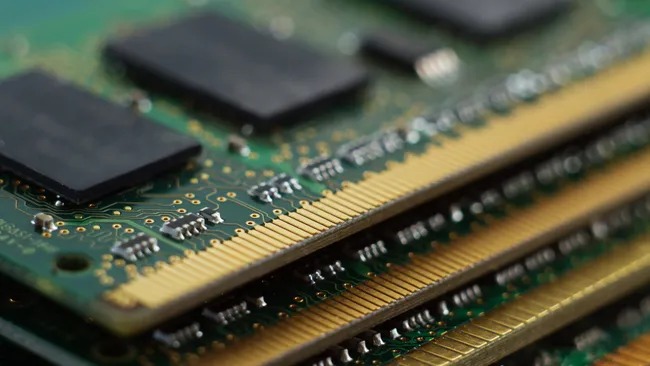
As always, this information should be treated with caution. That said, the report alleges Samsung is now charging a contract price of $19.50 per 2GB memory chip for DDR5 — meaning a 16GB configuration now costs more than twice what it did previously. According to the article, prices stood at around $9 before the hike that reportedly took effect toward the end of November.
If accurate, that represents a dramatic increase within a very short period. While these prices apply within the supply chain, such rises are almost inevitably passed on to consumers, who ultimately absorb the cost.
Technowvoice describes the memory market as being in a state of “structural disruption,” adding that Samsung reportedly informed downstream partners that there is effectively “no stock” available. It’s worth noting the article was translated from Chinese, so some nuance may be lost.
The report also claims that last-generation DDR4 memory has seen prices quadruple following Samsung’s exit — alongside most other major manufacturers — from that market. As of the end of last month, DDR4 contract pricing is said to have climbed to $18 per chip as well.
Analysis: no sign of relief for RAM prices
A severe market disruption is clearly underway, reflected in the near-vertical rise in retail RAM prices since late September. It’s difficult to recall another period where PC component pricing escalated this quickly — with the possible exception of high-end GPUs during the height of the cryptocurrency boom.

According to Technowvoice, there had been hope that RAM price increases would begin to stabilize by December 2025, following sharp rises throughout October and November. Instead, prices appear to be accelerating further, defying expectations of a slowdown.
The report suggests memory manufacturers have few alternatives. Whether producing DDR4 or DDR5 modules, costs have surged across the board, leaving little room to maneuver.
In practical terms, this likely means RAM prices will continue to rise — compounding an already painful situation — while storage components are facing similar pressures. For consumers considering a RAM upgrade, the safest advice may be to wait, unless a genuinely good deal appears. Some forecasts even warn that elevated prices could persist into 2027 or beyond.
That said, the impact extends far beyond DIY PC builders. Rising RAM costs will inevitably drive up the prices of prebuilt systems, particularly laptops, where memory configurations play a major role in overall cost.
With this latest report involving Samsung — the world’s largest memory manufacturer — the outlook appears even more concerning. If these price hikes hold, RAM and laptop prices alike could be significantly higher as the year progresses, and there’s little to suggest relief is coming anytime soon.