After more than a decade covering the smartphone industry, I’ve noticed a trend that’s hard to ignore—and a little disheartening. Phones have gradually shifted from being genuinely exciting with each new generation to feeling increasingly safe, iterative, and predictable. As we edge closer to the expected launch of the Samsung Galaxy S26, I find myself wondering whether smartphones have simply become boring.
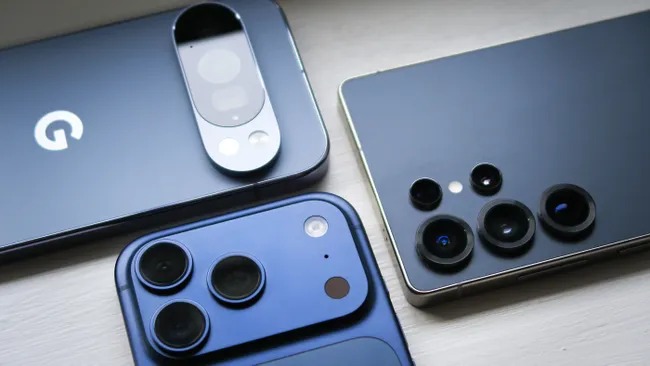
Yes, the iPhone 17 Pro introduced changes to its camera system and cooling design, but in many respects it still feels like a modest evolution rather than a meaningful leap forward. Even the arrival of a 120Hz ProMotion display on the standard iPhone 17 felt more like Apple catching up to expectations than pushing boundaries.
Samsung hasn’t helped matters much either. Outside of the ambitious—but likely expensive and niche—Galaxy TriFold, the Galaxy S series has drifted from exciting to monotonous. At this point, it would take a careful side-by-side comparison to spot meaningful differences between the Galaxy S25 Ultra, S24 Ultra, and even the S23 Ultra.
The last Samsung phone that truly grabbed my attention was the Galaxy S21, thanks to its bold Contour Cut camera design and well-balanced specs. Since then, the spark has faded.
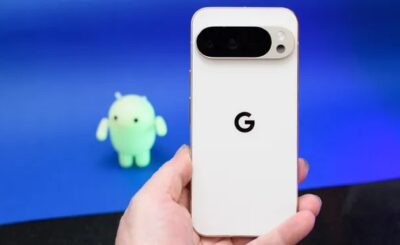
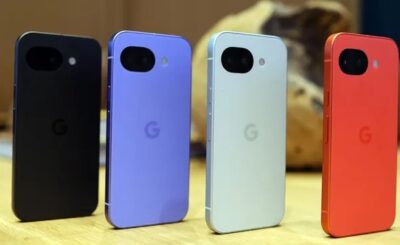
Google has shown flashes of creativity, gradually refining the look and philosophy of its Pixel lineup. Still, Pixels have largely settled into the role of “AI-first” phones, and that novelty has worn thin. The last Pixel that genuinely excited me was the Pixel 6 Pro—though even that device was let down by a disappointing fingerprint sensor.
There is innovation happening among some Chinese manufacturers and smaller brands, but these efforts are often undermined by clunky software, limited access to Google services, or specs that don’t always translate into strong real-world performance.
As a result, much of the excitement that once defined the smartphone market has faded. Even with a carefully curated “best phones” list, the reality is that if you’re using a phone released in the past four years, you already have around 90% of what most people need from a mobile device.
Annual flagship updates now feel less about advancing technology and more about maintaining momentum—for shareholders rather than consumers. This sentiment won’t surprise regular TechGenB readers, given the number of articles questioning whether smartphones are becoming dull, or the poll we ran that produced some rather damning results about modern phone design.
Taking a cue from Nothing
That’s why a recent comment from Nothing CEO Carl Pei feels like a breath of fresh air. Pei confirmed that there won’t be a Nothing Phone 4 this year, simply because it wouldn’t represent a meaningful upgrade over the previous model.
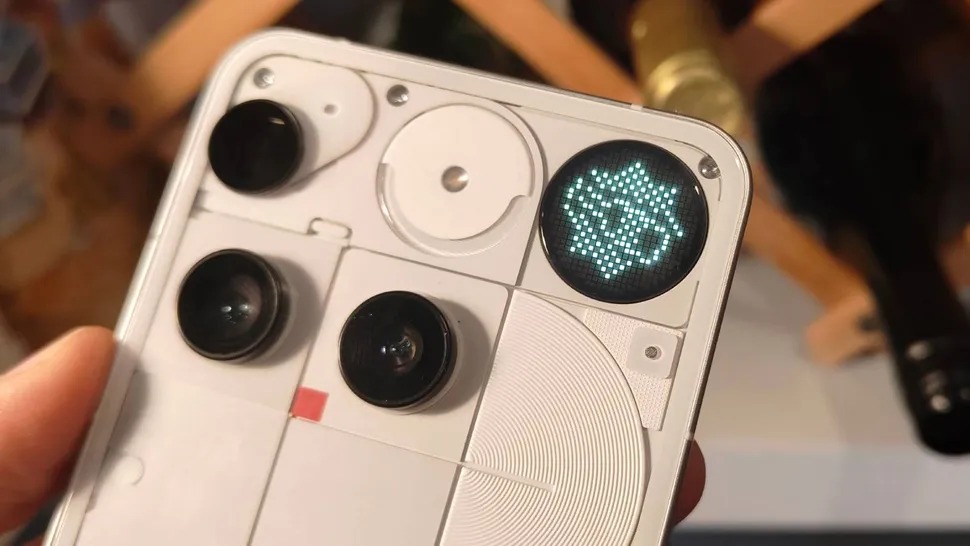
The reasoning—not releasing a flagship phone every year just for the sake of it—is refreshingly honest. It prioritizes genuine innovation over forced iteration, and it puts the consumer first.
There’s also an environmental angle here that shouldn’t be overlooked. Skipping a yearly flagship release means fewer materials used and less energy wasted producing devices that offer only marginal improvements. Some fans may be disappointed to miss out on a new model this year, but the trade-off feels worthwhile.
It’s an approach that Apple and Samsung could learn from—not only to reignite excitement around smartphones, but to better align with their own sustainability claims. Rather than shaving a millimeter off a foldable or tweaking specs slightly, perhaps it’s time for the biggest players to pause and rethink.
I’ll happily try something ambitious like the Galaxy TriFold, and I still hope we’ll eventually see a foldable iPhone. But I’d also love to see Apple skip a predictable iPhone release, or Samsung hold back on rolling out new Galaxy Fold models that barely differ from their predecessors.
I haven’t completely lost faith in the smartphone industry’s ability to surprise us. But if phones are going to become exciting again, the biggest brands may need to take a page out of Carl Pei’s book—and remember that sometimes, doing less can actually mean doing better.