As 2025 draws to a close, anticipation around Apple’s M5 Pro, Max, and Ultra chips is building, with an expected launch in early 2026. However, there’s less encouraging news for those already looking ahead to Apple’s M6 generation, particularly when it comes to a long-rumored redesign.
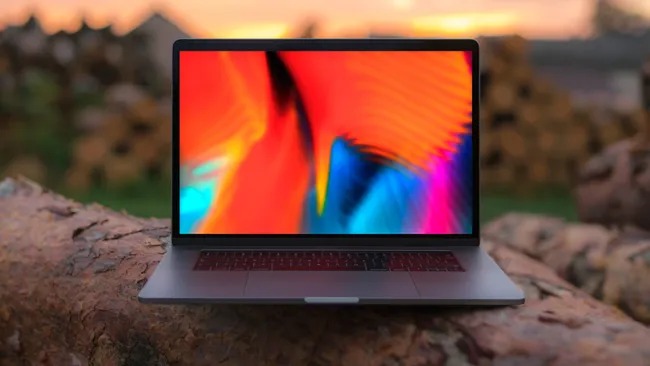
According to a report from Wccftech, citing Bloomberg’s Mark Gurman, only the M6 Pro and M6 Max MacBook Pro models are expected to receive Apple’s upcoming OLED redesign. These higher-end models are reportedly scheduled to arrive between late 2026 and early 2027, featuring a shift away from mini-LED displays, a slimmer design, and the addition of touchscreen support.
Wccftech claims this strategy has been on its radar for some time, and given Gurman’s strong track record, there’s a high chance this information is accurate — which won’t sit well with a lot of Apple fans.
If this plays out as expected, base M6 MacBook models may launch without any major visual upgrades. That would mean users who want an OLED display would need to pay a premium for the M6 Pro or M6 Max versions, at least during the initial release window. While Apple is no stranger to keeping top-tier features exclusive, limiting such a major upgrade to higher-end models would still come as a surprise.
Moving from mini-LED to OLED is a significant leap, and locking that transition behind more expensive hardware is a bold choice — and one that could frustrate customers who don’t need the extra performance of Pro or Max chips, or simply can’t justify the higher cost.
Analysis: This feels like unnecessary gatekeeping
It’s entirely possible that OLED eventually makes its way to a later MacBook Pro generation, but for now, this approach appears to be Apple’s way of pushing buyers toward pricier M6 Pro and M6 Max models, effectively gatekeeping OLED from those who opt for base configurations.

To put things in perspective, Lenovo’s recent Legion Go 2 handheld has been criticized for its pricing, yet every buyer gets an OLED display regardless of configuration. Yes, MacBooks and gaming handhelds are very different products — but the principle of feature accessibility still applies.
That said, Apple’s mini-LED displays remain excellent, offering strong brightness, contrast, and longevity without the risk of burn-in or the extra care often associated with OLED panels. For now, users aren’t exactly being shortchanged.
Ultimately, it’s a waiting game. The real question is how long Apple will keep OLED exclusive before making it the standard across its MacBook lineup — and hopefully, that transition won’t take too long.